

Why We Check What We Check
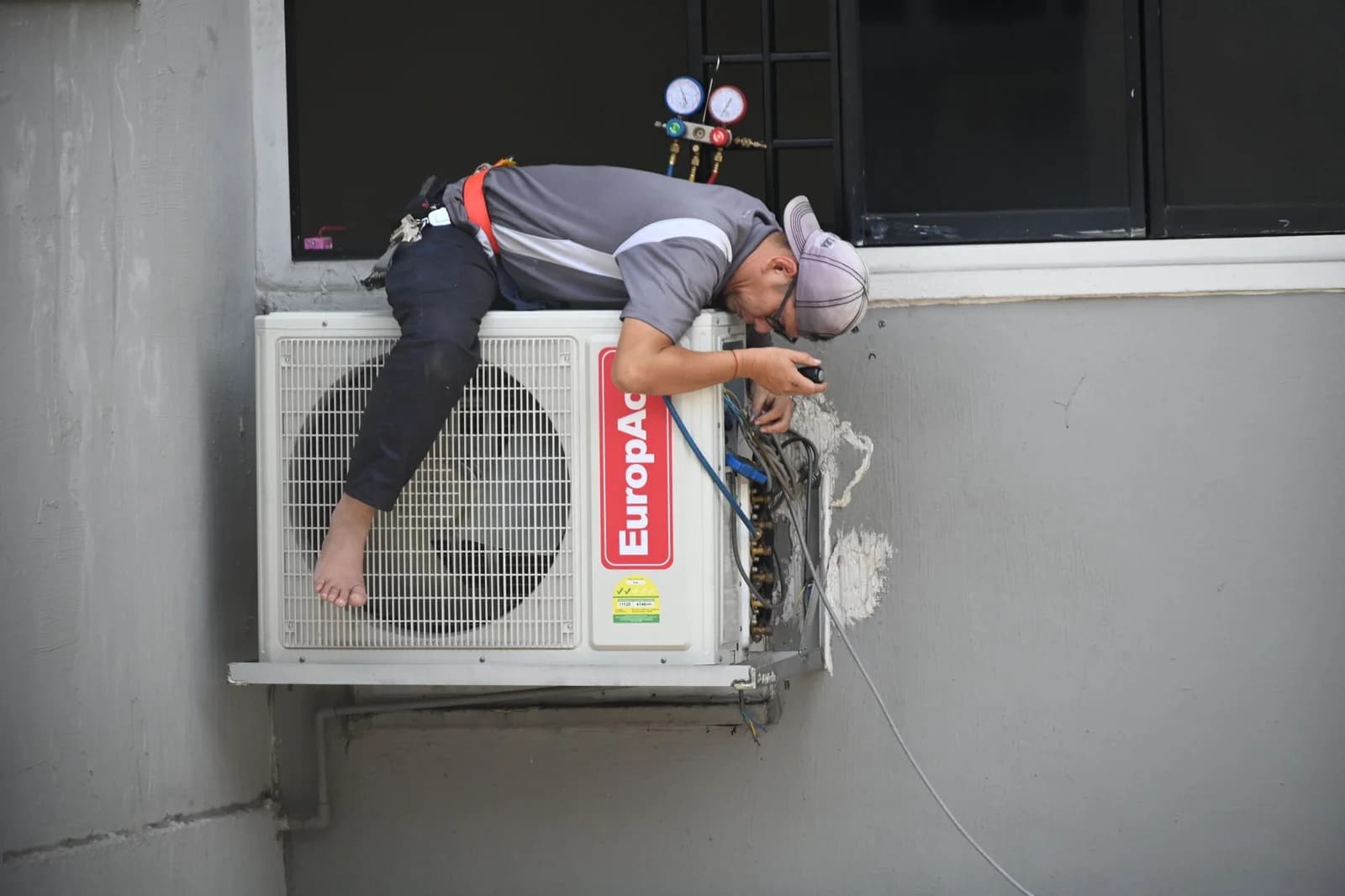
A tune-up gets sold as basic upkeep, something you schedule so the AC does not break down in July. That framing is not wrong, but it leaves out half of what a good maintenance visit actually accomplishes. Every step your technician performs during a seasonal tune-up also affects the air moving through your Westside Los Angeles home right now, not just whether the compressor survives another summer. If you have never thought about your AC tune-up as an air quality service, here is why it deserves that label.
The Filter Is Doing More Than You Think
Start with the part everyone already knows about. A filter's job is not simply to protect the blower motor from dust, though that matters too. The filter is the one place in your entire HVAC system where the air moving through your ducts passes through a physical barrier before it reaches your bedrooms and living room. A filter that has gone months without changing is not just restricting airflow, it is also saturated with whatever it already caught, which means it has less room left to catch anything new. During a tune-up, checking the filter is really checking whether your home has had working filtration for the last several months or whether the filter reached capacity long before anyone noticed the airflow had dropped off.
Coil Cleaning Affects More Than Efficiency
We explain condenser and evaporator coil cleaning mostly in terms of energy use, a dirty coil forces the compressor to work harder. That is true, but the evaporator coil sits directly in the path of the air returning from inside your house, and a damp coil coated in dust and organic material is exactly the environment where mold and bacteria find a foothold. Homes near the coast in Santa Monica and Venice deal with this more than most, since the marine layer keeps humidity elevated for a good part of the year, and moisture sitting on a dirty coil does not dry out the way it would in a drier inland climate. Cleaning that coil during a tune-up is not only about lowering your electric bill, it is about not circulating whatever has been growing on it back through your supply registers every time the system cycles on.
The Condensate Drain Is a Health Detail, Not Just a Plumbing One
A clogged condensate line backs water up into the drain pan, and depending on how it is set up, that water either trips a safety switch and shuts the system down or finds somewhere else to go. Either outcome matters for air quality. Standing water sitting in a drain pan inside your air handler, especially one tucked into an attic in a Culver City or Mar Vista home, becomes a source of musty, damp air that gets pulled right back into the system's airflow. We flush this line at every visit specifically because a slow clog does not announce itself the way a full shutdown does, and by the time you notice a smell, the moisture has usually been sitting there for a while.
Electrical and Refrigerant Checks Keep the System Running the Way It Should
Loose electrical connections and low refrigerant charge do not directly affect what is in the air, but they affect whether your system runs the way it was designed to. A struggling system that short cycles or runs longer than it should is moving air through your ducts differently than a properly functioning one, which changes how consistently your filter actually gets a chance to do its job. Verifying refrigerant charge and tightening electrical connections is partly about protecting the equipment, and partly about making sure the airflow pattern your filtration depends on is actually happening the way it is supposed to.
What a Full System Cycle Test Tells Us About Airflow
At the end of a tune-up, running the system through a complete cycle and checking the temperature difference between the return and supply air tells us whether the whole system, filter, coil, blower, and ductwork together, is moving air the way it should. A system that is technically running but moving less air than it was designed to move is also filtering less air per hour than it should, even with a clean filter installed. This step catches airflow problems that would otherwise go unnoticed until someone in the house starts asking why their allergies feel worse indoors than outdoors.
Why Timing Still Matters
Scheduling this visit before the season's first real heat gives us room to catch a weak capacitor, a slow refrigerant leak, or a coil that needs attention while the problem is still small and the appointment book still has room. It also means your filtration and airflow are working properly before the months when your windows are more likely to stay closed and your indoor air quality depends more heavily on what your HVAC system is doing.
Two-Story and Multi-Zone Homes Have Their Own Airflow Pattern
Larger homes across Culver City and the hillier stretches of Santa Monica that run a single system across two floors often have an upstairs that runs warmer than the downstairs, since heat naturally rises and the return air path was not always designed with that in mind. During a tune-up we check whether dampers, where the ductwork has them, are still adjustable, because a stuck damper does not just leave one floor undercooled, it also means that floor is getting a different share of filtered air than the rest of the house. For homes where duct based zoning cannot fix this, a supplemental ductless unit for the upstairs is often the more workable answer.
Older Systems Deserve a Closer Look for a Different Reason
If your home still runs a system that predates modern refrigerants, we flag that during the visit, not to sell you something you do not need, but because an aging system nearing the end of its service life is more likely to develop the kind of slow leaks and airflow problems that quietly undercut filtration long before the system fails outright. Knowing where your equipment stands lets you plan a replacement on your own timeline instead of during an emergency.
What You Get in Writing
Every visit ends with a written summary of what was cleaned, what the refrigerant pressures read, and whether anything is showing early wear. We frame these findings around what they mean for your comfort and your system's health, since a homeowner deciding whether a repair can wait needs to understand not just what broke, but what continuing to run the system that way is doing to the air moving through the house in the meantime.
What a Skipped Tune-Up Actually Costs You in Air Quality
Homeowners who put off a tune-up for a year or two usually frame the risk in terms of a bigger repair bill down the road, and that risk is real. What gets missed in that framing is that the same neglected coil, clogged drain, and tired filter are quietly affecting indoor air quality the entire time the system keeps limping along. A system does not need to fail completely to be doing a worse job of filtering and conditioning the air moving through your rooms. It can run for another year or two while gradually delivering less clean air with every cycle, and because the change happens slowly, most households do not connect a stuffier house or more frequent allergy symptoms back to a system that has simply gone too long without attention.
Why We Walk You Through the Findings Room by Room
A written summary after the visit is only useful if you actually understand what it means for your household. We try to connect what we found, a slightly weak capacitor, early corrosion on a coil, a drain line that needed clearing, to what it would have meant if left alone, not just to check a box, but so you understand the actual state of the air moving through your Culver City or Santa Monica home. A homeowner who knows their coil needed cleaning because it had picked up marine layer residue understands their home differently than one who was just told the coil is now clean.
Booking Your Visit
Call (877) 360-6719 to schedule your seasonal tune-up. We serve homeowners across Santa Monica, Culver City, Mar Vista, and the rest of Westside Los Angeles, and walking into summer with a system that has been properly checked means walking into summer with air that has actually been filtered the way it was designed to be.
Need Professional HVAC Service?
Our HVAC-experienced technicians are ready to help with all your AC and heating needs. Contact Westside AirCon Services today for expert service throughout the the Culver City Corridor service area.