
Cooling Is Only Half the Job
When homeowners across Westside Los Angeles compare ductless mini splits to central air, the conversation almost always centers on cost, ductwork, and how many zones a home needs. Those questions matter, but there is a second question that gets far less attention: how well does each system actually filter the air it moves? The answer is not the same for both, and understanding the difference helps you make a more informed choice, especially if allergies, wildfire smoke, or general air quality are part of what is driving the decision in the first place.
How Filtration Works in a Central System
A central AC or heating system pulls return air from throughout the house, passes it through a single filter at the air handler, conditions it, and pushes it back out through the duct network. Because every bit of circulated air passes through that one filter, upgrading it is straightforward in principle, you install a higher rated filter and, assuming the system can handle the added resistance, the whole house benefits from better filtration at once. This is the real advantage of a central system when air quality is the priority, one upgrade point covers the entire home.
How Filtration Works in a Ductless System
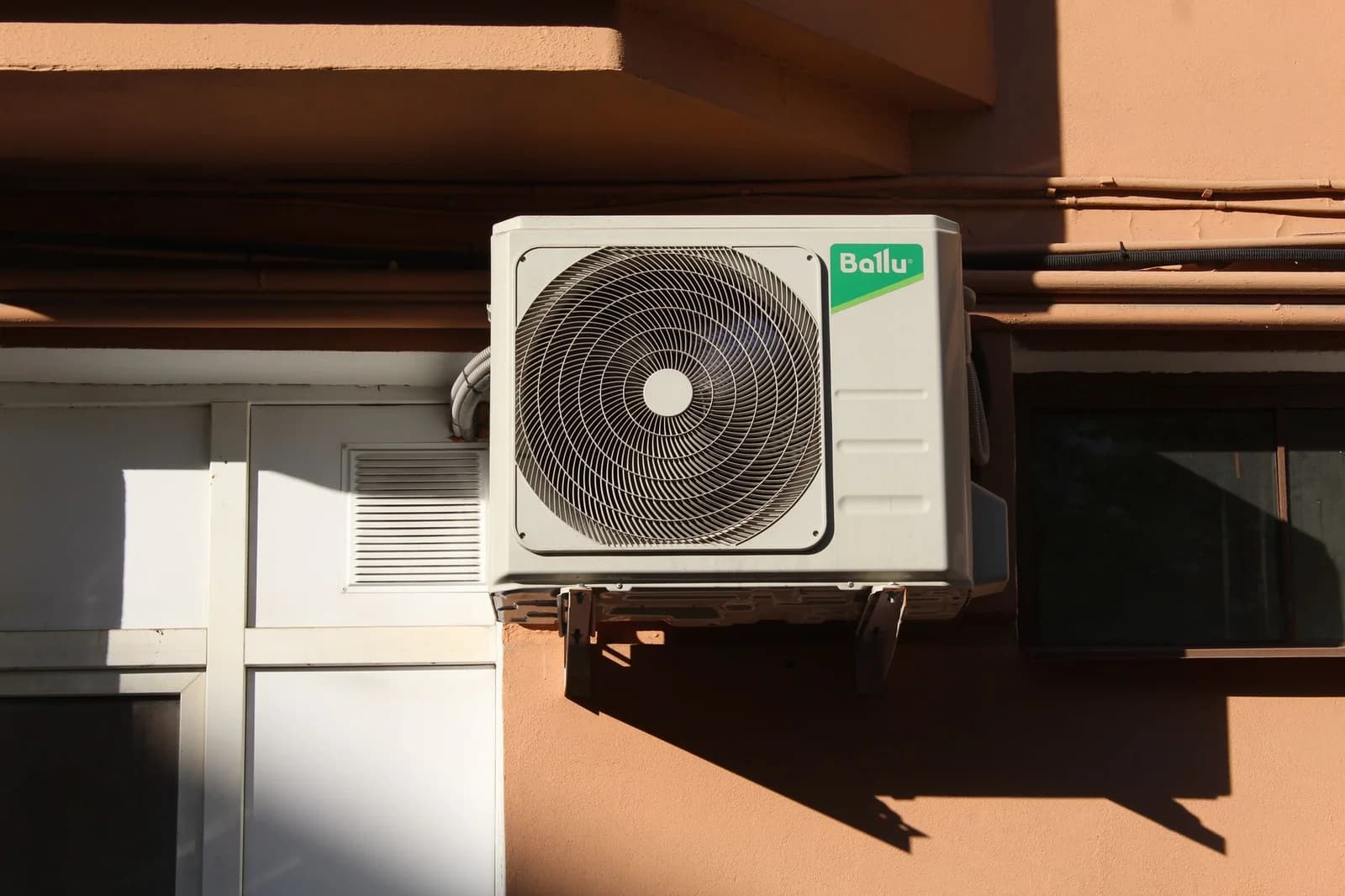
A ductless mini split works differently. Each indoor unit has its own small filter, usually a washable mesh screen designed to catch dust, hair, and larger particles rather than the fine particulate matter that matters most for respiratory health. Because there is no shared filter and no central point where all the air in the house passes through, upgrading filtration in a ductless system means addressing each indoor unit individually, and even then, the mesh filters built into most residential units are not designed to accept the denser, higher rated media used in central systems.
Where Ductless Systems Still Make Sense
None of this means ductless is the wrong choice for a lot of Westside Los Angeles homes. Craftsman bungalows in Santa Monica and Culver City that were never ducted, additions and converted garages, and condos near Ocean Park and Fox Hills that have only ever had window units often have no practical central alternative. In these situations, a ductless system paired with a portable HEPA air purifier in the rooms that matter most gives you real filtration without the cost and disruption of adding ductwork to a home that was never built for it.
The Case for Central Air When Filtration Is the Priority
If your Westside Los Angeles home already has sound, sealed ductwork, central air has a meaningful edge for anyone prioritizing air quality. A single upgraded filter treats every room the system serves, and central systems can also accommodate accessories that ductless systems generally cannot, dedicated air purification modules, whole home dehumidifiers, and UV lights positioned near the coil to limit microbial growth in a space that stays damp for part of the year. None of these upgrades work the same way, or at all, on a ductless system's small indoor units.
The MERV Question Applies Differently to Each System
MERV ratings measure how effectively a filter captures particles of different sizes, and a higher number generally means better filtration. In a central system, moving from a basic filter to a MERV 13 filter is a real, achievable upgrade, assuming the blower motor and static pressure can handle the added resistance, which we check before recommending it. In a ductless system, there is generally no equivalent upgrade path available at the indoor unit itself, which is exactly why a portable purifier becomes the more practical tool for improving air quality in a ductless zone rather than trying to modify equipment that was not designed for it.
What This Means During Wildfire Smoke Events
The filtration gap between the two systems matters most during wildfire smoke events, when the outdoor air quality across the Los Angeles basin can affect Santa Monica, Culver City, and the rest of the Westside regardless of how far any given neighborhood sits from an active fire. A central system with a properly rated filter, run on continuous fan mode, actively cleans air throughout the house during these events. A ductless system's mesh filter does essentially nothing for smoke particles, which means a room cooled only by a ductless unit needs a supplemental purifier to get comparable protection during a smoke event.
A Hybrid Approach for Mixed Homes
Some Westside Los Angeles households run central air for the main living areas, where ductwork already exists and handles the bulk of the square footage, and add a single ductless zone for an addition or a converted room that the main ductwork never reached. In this setup, the central system's upgraded filter protects most of the home, and a portable purifier fills the gap in the ductless zone. This tends to be the most practical answer for homes that grew over time rather than being built with air quality in mind from the start.
Humidity Is Part of the Same Conversation
Filtration is only one piece of indoor air quality, humidity is the other. Central systems dehumidify more consistently across the whole house because of how return air mixes before passing over the coil. Ductless systems can dehumidify effectively within the specific room an indoor unit serves, which is often exactly what is needed in a single addition or converted space, but it will not address humidity in rooms the ductless zone does not reach. Coastal homes in Santa Monica and Venice, where the marine layer keeps humidity elevated much of the year, benefit from thinking through this room by room rather than assuming one system handles the whole house evenly.
Noise and Placement Considerations Also Affect How Much You Actually Run the System
There is a practical air quality angle to noise and placement that rarely comes up in this comparison. A ductless indoor unit mounted directly in a bedroom runs closer to where you sleep than a central system's ductwork typically does, and some households, especially in older Craftsman construction in Santa Monica where bedrooms sit close to living areas, end up running the system less than they should overnight simply to avoid the noise, which means less filtration during exactly the hours the house is closed up and depending on it most. Central systems, with their equipment further away in an attic or utility closet, do not usually create this tradeoff, since the audible part of the system is limited to airflow at the registers rather than a compressor and fan running in the room itself.
What Happens When a Home Has Both Systems Installed at Different Times
It is common across Westside Los Angeles for a home to have started with central air and later added a ductless zone for a room the original ductwork never reached, or the reverse, a home that started fully ductless and later had central ductwork added during a larger renovation. In these mixed situations, it is worth having someone walk the whole property and map out which rooms get central filtration, which rooms depend on a ductless unit's basic mesh filter, and which rooms might be getting neither consistently. This kind of whole home assessment often reveals a gap nobody had noticed, a guest room or office that technically has cooling but effectively no meaningful filtration behind it.
Making the Right Call for Your Home
There is no single right answer here. The best system, or blend of systems, for your specific property depends on your layout, what ductwork you already have, and how heavily you want to weigh air quality against installation cost and disruption. Reach (877) 360-6719 and we will come look at the house in person, walk through what each path would mean for comfort and for the air your household breathes every day, and leave you with a written recommendation built around your actual home rather than a generic answer.
Need Professional HVAC Service?
Our HVAC-experienced technicians are ready to help with all your AC and heating needs. Contact Westside AirCon Services today for expert service throughout the the Culver City Corridor service area.