
The Two Variables Most Homeowners Overlook
When people think about improving their home's air, they usually think about the filter and stop there. The filter matters, but it is only doing its job on the air that actually reaches it through your ductwork, and if that ductwork is leaking, a meaningful share of what your system is filtering and conditioning never reaches your rooms at all, while unfiltered air from your attic or crawl space gets pulled in to replace it. Understanding how these two things work together, filter habits and duct sealing, explains more about your home's actual air quality than either one does on its own.
What a Filter Can and Cannot Fix
Your filter's job is to remove particles from the air passing through it before that air reaches your living spaces. It can only work on air that flows through it, which sounds obvious until you consider how much of your system's air movement happens outside your view, in ductwork running through an attic or crawl space, often for the entire distance between your air handler and your rooms. A pristine, correctly rated filter installed in a system with leaky ducts is still only filtering part of the story, because leaks let unfiltered outside air, along with attic dust, insulation fibers, and whatever else has settled in that space, mix into your supply air downstream of the filter.
Why Duct Leaks Matter So Much in Older Westside Homes
A lot of the housing stock across Culver City, Mar Vista, and West LA has ductwork that was installed decades ago and has never been tested for leakage since. Duct joints sealed with fabric backed tape, common in older installations, dry out and lose their seal over the years, and connections that were snug when first installed loosen as a house settles. None of this shows up as an obvious problem the way a broken AC does, the system still runs, still cools the house to some degree, it just does the job less efficiently and delivers less filtered, conditioned air to your rooms than the equipment is actually capable of producing.
How We Test and Seal Ducts
We test duct systems for leakage using pressure testing equipment that measures how much air escapes the system before it reaches the registers. Once we know where the leaks are, we seal accessible joints and connections with mastic sealant, a compound that stays flexible and does not dry out and crack the way tape eventually does. This is not a cosmetic fix, sealing a leaky duct system keeps the air your filter has already cleaned actually inside your living space instead of leaking into an attic where it does nobody any good.
The Filter Side of the Equation
On the filter side, the two habits that matter most are checking it regularly and choosing the right rating for your specific system, not just the highest number available. A filter that is too dense for your blower motor to handle restricts airflow just as much as a dirty one does, which can cause the same icing and reduced circulation problems either way. We check your system's static pressure before recommending a filter upgrade, since a MERV 13 filter that your blower cannot properly pull air through does less good than a correctly matched MERV 11, run and changed on schedule.
Checking Your Filter More Often Than You Think You Need To
Not every home on the same replacement schedule needs a filter changed at the same rate. A property in Brentwood or Pacific Palisades shaded by mature trees pulls in far more leaf debris and pollen than a home on a bare, sun-exposed block in Culver City, which means the filter in the first house is doing more work per week than the filter in the second. Rather than sticking to a fixed calendar date regardless of what is actually happening, check the filter by hand during the months your system runs hardest and judge it by what it looks like, not by how many weeks have passed since the last change. A filter that still looks reasonably clean after two months has earned another few weeks. One that is visibly gray well before that has not, and holding it to an arbitrary schedule anyway defeats the entire point of checking in the first place.
Return Air Leaks Are Easy to Miss
Supply duct leaks get most of the attention because they are easier to find, sealed or unsealed connections you can access in an attic. Return duct leaks matter just as much and are harder to spot, since a leaky return can pull air from a garage, attic, or crawl space directly into the airflow before it ever reaches the filter, which means the filter is trying to clean air that already picked up contaminants it would not otherwise have encountered. Checking return duct connections, especially where the return meets the air handler cabinet, is part of a proper duct inspection and often gets skipped in a routine visual check.
What Sealed Ducts and a Properly Rated Filter Add Up To
Together, a sealed duct system and the right filter, checked and changed on a schedule that matches how your home actually uses it, mean that the air your system conditions is the air that actually reaches your rooms, and that air has genuinely passed through filtration rather than mixing with whatever leaked in along the way. Neither fix works as well without the other, a great filter cannot compensate for air that bypasses it through a duct leak, and sealed ducts alone still deliver whatever the filter lets through, good or not.
Where Shade and Airflow Fit Into the Picture
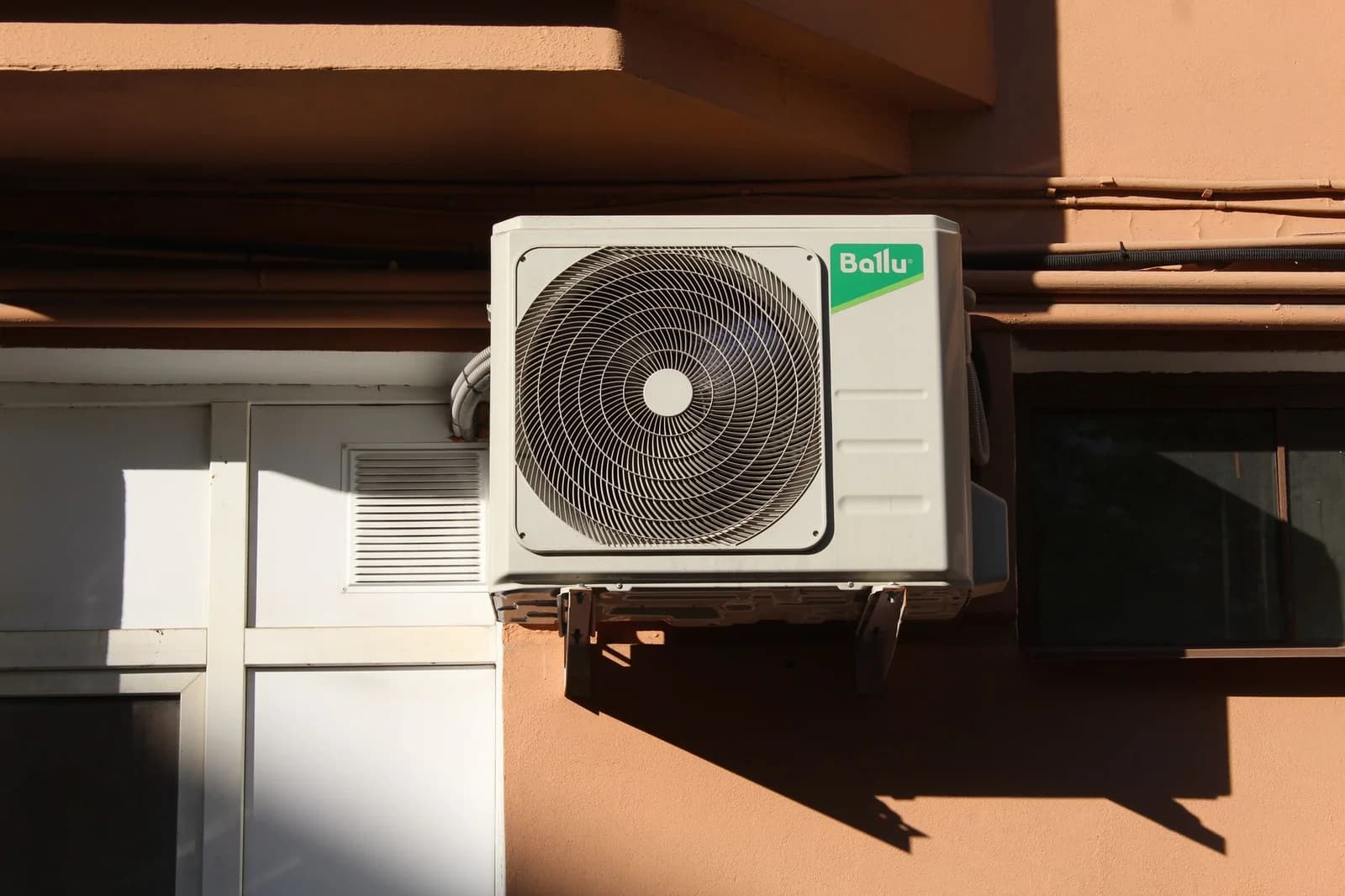
Where your outdoor condenser sits also affects how hard your system works, and a system working harder tends to run longer, which means more hours during which any existing duct leaks or a marginal filter have a chance to matter. A condenser in full afternoon sun against a west facing wall works harder to reject heat than one with some afternoon shade, and closing blinds on west facing windows keeps direct solar heat from adding to the load in the first place. None of this replaces duct sealing or filter maintenance, but it reduces how many hours your system spends working hard enough for those two factors to compound.
Insulation Around Ductwork Plays a Supporting Role
Duct insulation does not filter anything on its own, but it affects the same outcome indirectly. Ductwork running through an attic without adequate insulation forces the air inside it toward the attic's temperature before it ever reaches your register, which means the system works harder and runs longer to deliver the same result at the vent. Longer runtimes mean more hours during which any duct leak or a filter nearing the end of its useful life has a chance to matter. Checking insulation alongside a leak test during the same visit gives a fuller picture of why a system might be underperforming even when the equipment itself tests out fine.
A Simple Way to Think About the Whole System
It helps to picture your HVAC system as a loop with two jobs happening at once, cleaning the air and moving it where it needs to go. A filter handles the cleaning half. Sealed, properly sized ductwork handles the moving half. Neither job being done well compensates for the other being done poorly, a spotless filter cannot clean air that never passes through it because it leaked out along the way, and airtight ducts still only deliver whatever level of filtration the filter itself provides. Homeowners who upgrade only one half of that loop are often disappointed that the change did not seem to make much difference, when the real answer was that both halves needed attention at the same time.
Getting Both Checked Together
If you want your ductwork tested for leaks and your filtration properly matched to your system in a single visit, call (877) 360-6719. We will check both, explain what we find in terms you can actually use, and give you a written recommendation, whether that means sealing a few joints, changing your filter habits, or both, so the air moving through your Westside Los Angeles home is the air your system was actually designed to deliver.
Need Professional HVAC Service?
Our HVAC-experienced technicians are ready to help with all your AC and heating needs. Contact Westside AirCon Services today for expert service throughout the the Culver City Corridor service area.